
My-ENT

Procedure

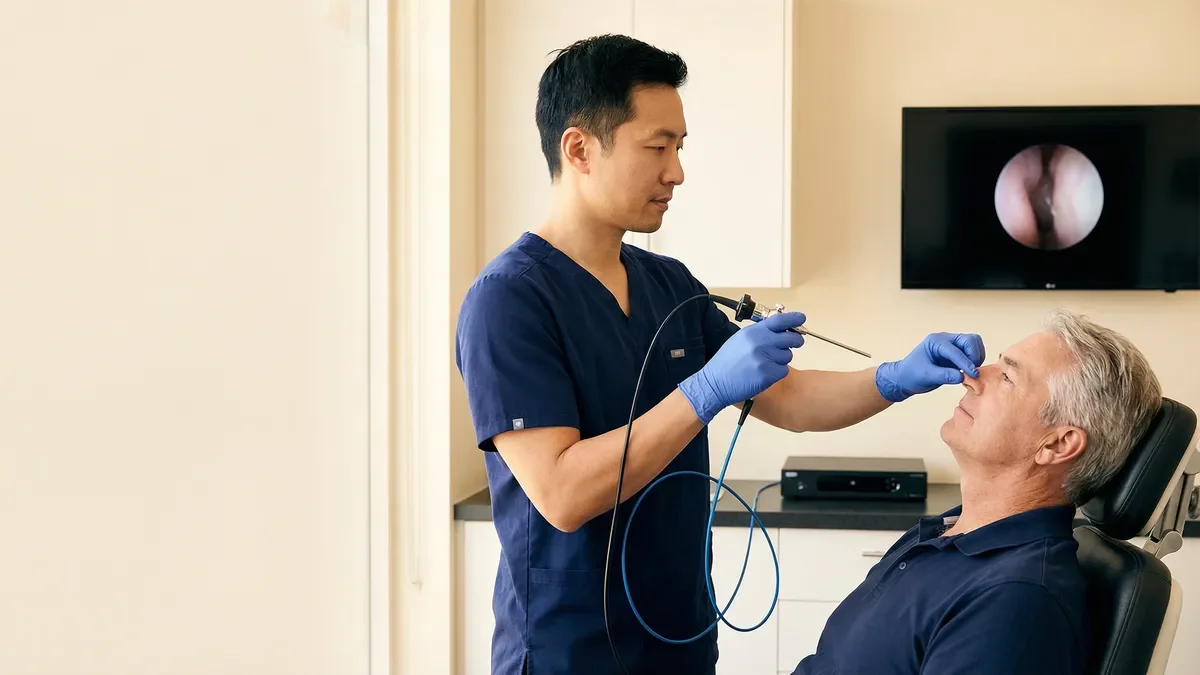
Septoplasty and turbinate reduction procedure view focused on improving nasal airflow.

Septoplasty and turbinate reduction

Septoplasty and turbinate reduction are procedures used to improve nasal airflow when long-term blockage is linked to a deviated septum and enlarged turbinates. They are usually considered after specialist assessment and medical treatment planning.

Indications

When this may be discussed

  • Persistent blocked nasal breathing despite appropriate medical therapy.
  • Septal deviation contributing to one-sided or bilateral airflow limitation.
  • Turbinate enlargement with ongoing congestion affecting sleep or exercise tolerance.
  • Nasal obstruction associated with recurrent sinus or pressure symptoms in selected patients.
  • Need for improved surgical access to other planned endonasal procedures.

What to expect

Before and on the day

Your surgeon reviews symptoms, examination findings, and any imaging before recommending surgery. The procedure is performed through the nostrils, without external cuts. The operative plan is tailored to your anatomy and clinical goals, and postoperative nasal care is discussed before the day of surgery.

Post-operative care

Post-operative care

Recovery after any surgical procedure requires careful attention to the instructions provided by your treating surgeon. These instructions are tailored to your specific procedure and individual circumstances and should be followed precisely. If you have questions about your recovery, or if you experience symptoms that concern you, contact the rooms directly during business hours on 02 9247 1762. After hours, if you have an urgent concern, please present to your nearest emergency department.

Recovery

Recovery overview

Recovery usually includes temporary congestion, mild discomfort, and follow-up visits to support healing. Most patients are given guidance about nasal rinses, activity pacing, and when to restart normal routines. Follow-up timing and recovery milestones are individual.