
My-ENT

Procedure

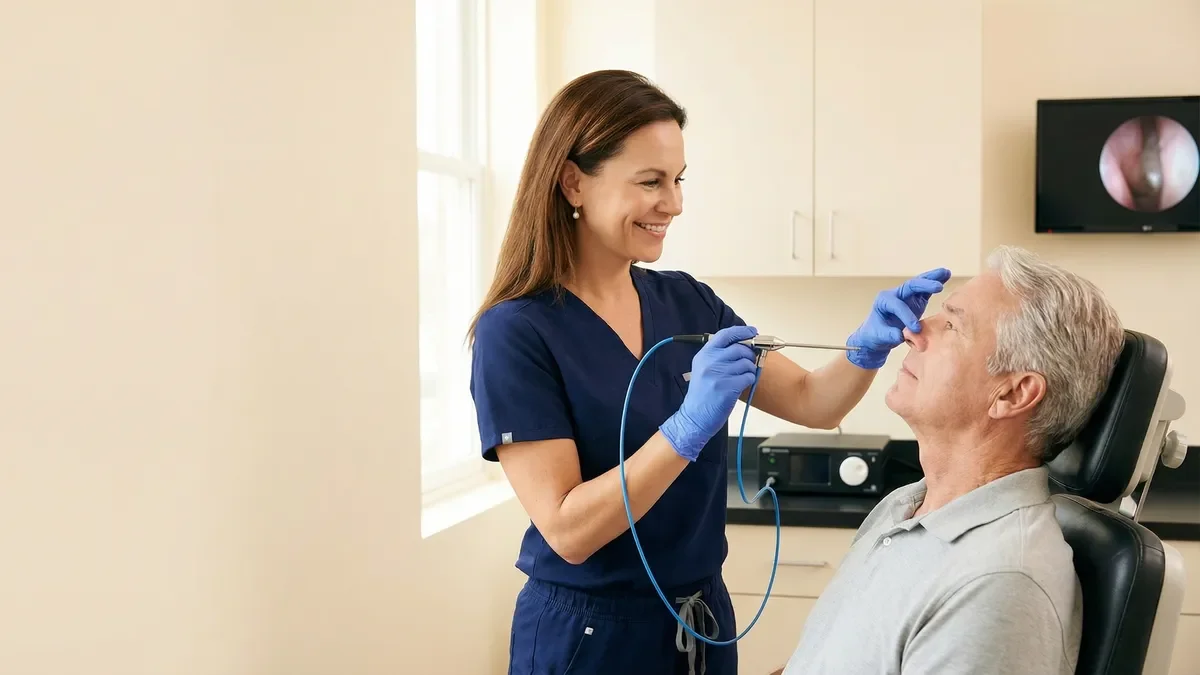
Endoscopic sinus surgery view showing a controlled nasal procedure environment.

Endoscopic sinus surgery (ESS)

Endoscopic sinus surgery (ESS) is a procedure performed through the nostrils to improve sinus ventilation and drainage. It is performed under general anaesthetic in an operating theatre. It is usually considered when chronic sinus symptoms continue despite appropriate medical treatment and specialist review.

Indications

When this may be discussed

  • Persistent sinusitis symptoms despite structured medical treatment.
  • Recurrent sinus flare-ups affecting sleep, work, or daily function.
  • Nasal polyps causing ongoing blockage or smell disturbance.
  • Sinus pathways narrowed by inflammation or anatomical factors identified on specialist assessment.
  • Cases where endoscopic access is required to manage selected sinonasal disease.

What to expect

Before and on the day

Before surgery, your ENT surgeon reviews symptom history, examination findings, and imaging to confirm whether ESS is appropriate. Endoscopic sinus surgery is performed under general anaesthetic in an operating theatre. The procedure is performed endoscopically through the nose, without external facial incisions. The exact operative plan depends on your anatomy and disease pattern, and this is discussed in consultation.

Post-operative care

Post-operative care

Recovery after any surgical procedure requires careful attention to the instructions provided by your treating surgeon. These instructions are tailored to your specific procedure and individual circumstances and should be followed precisely. If you have questions about your recovery, or if you experience symptoms that concern you, contact the rooms directly during business hours on 02 9247 1762. After hours, if you have an urgent concern, please present to your nearest emergency department.

Recovery

Recovery overview

Recovery planning is individual. Patients are given practical guidance on nasal care, activity pacing, and follow-up appointments after surgery. Ongoing medical therapy may still be part of long-term sinus management, especially for inflammatory conditions such as nasal polyps.