
My-ENT

Procedure

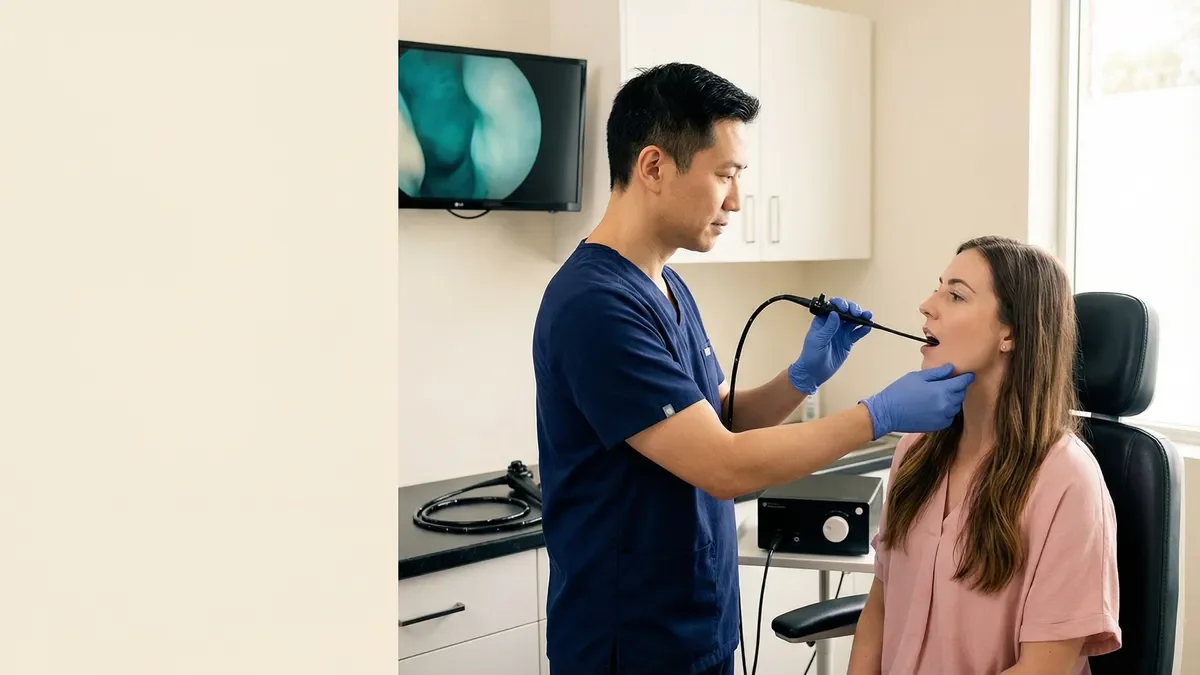
Adenoidectomy procedure setting prepared for paediatric ENT airway surgery.

Adenoidectomy

Adenoidectomy is surgery to remove enlarged adenoid tissue at the back of the nose. It is commonly discussed for children with persistent nasal blockage, snoring, or recurrent ear and sinus-related problems after medical management has been considered.

Indications

When this may be discussed

  • Long-term nasal blockage with mouth breathing and disrupted sleep.
  • Snoring and sleep breathing symptoms linked to enlarged adenoid tissue.
  • Recurrent or persistent middle ear problems in selected children.
  • Frequent upper airway infections where adenoid disease is a contributing factor.
  • Ongoing symptoms despite suitable GP and specialist medical treatment.

What to expect

Before and on the day

Your ENT surgeon reviews history, examination findings, and hearing or sleep-related concerns before recommending adenoidectomy. The operation is performed through the mouth under general anaesthesia, with no external scars. Families receive clear instructions about fasting, medications, and day-surgery planning.

Post-operative care

Post-operative care

Recovery after any surgical procedure requires careful attention to the instructions provided by your treating surgeon. These instructions are tailored to your specific procedure and individual circumstances and should be followed precisely. If you have questions about your recovery, or if you experience symptoms that concern you, contact the rooms directly during business hours on 02 9247 1762. After hours, if you have an urgent concern, please present to your nearest emergency department.

Recovery

Recovery overview

Most children recover over several days with temporary sore throat, nasal congestion, or altered breath smell. Hydration, pain relief, and rest are important early steps. Follow-up is arranged to review breathing, sleep, and any related ear or sinus concerns.